Serving Adams, Arapahoe, Boulder, Broomfield, Larimer & Weld Counties

(303) 659-0610

A-1 Septic Service

Septic Inspections · Since 1976

Septic Inspection Services in Boulder County, Colorado

A buyer wants proof. A lender wants a document. And you have no idea where the lids are, let alone what is under them. A septic inspection answers all three questions in one visit. A-1 Septic Service has been performing Transfer of Title inspections in Boulder County for generations, and we document what we find so you have a clear understanding of your system's health.

The six checks

What Does a Septic Inspection Look For?

An inspection is not one look in one hole. Six separate parts of the system get judged, and a system can pass on five of them and still fail.

The Tank Shell: Cracks and Corrosion

The tank has one job beyond settling solids, which is staying watertight. We look for cracks, corrosion and any sign the barrier is leaking into the soil.

Baffles, Tees and What a Missing One Means

The inlet baffle slows incoming flow so solids can drop. The outlet baffle or tee stops the floating scum layer sailing out to the soil treatment area (STA). Where one has rotted off, solids have been reaching the STA for years.

Liquid Level: The Cheapest Diagnostic on the Property

Effluent should sit level with the bottom of the outlet pipe. Sitting low usually means the tank is losing water somewhere it should not. Sitting high means the outlet, the filter or the STA is not accepting flow.

Filters, Pumps and Floats That Only Fail Under Load

Not every system runs on gravity. Where effluent is lifted there is a pump chamber, a float and wiring, and all three get checked. Pumps and controls often need replacing every ten to twenty years, so age matters here.

Water Intake

We will run water from inside the property for 15–20 minutes. This tests how water flows from the house, to the tank and out to the STA. Runback can mean that a portion of the STA isn't performing.

The STA and the Distribution Box

The tank is only half the system. We open the distribution box to see whether every line gets an equal share, because a tilted box starves half the STA. Then the STA is walked and probed for ponding, surfacing and soft ground.

Start to report

How an Inspection Day Runs, Start to Report

Inspections have to be performed by companies licensed within the county and NAWT certified; we are both. Tanks should be pumped at the same time as the inspection to help alleviate mistakes or inaccuracies.

  1. 01

    We Pull the County Permit File

    Most Colorado counties hold a permit record and an as-built drawing for the system. That gives us its age, the tank size and the bedroom count it was approved for.

  2. 02

    We Locate & Uncover Every Lid

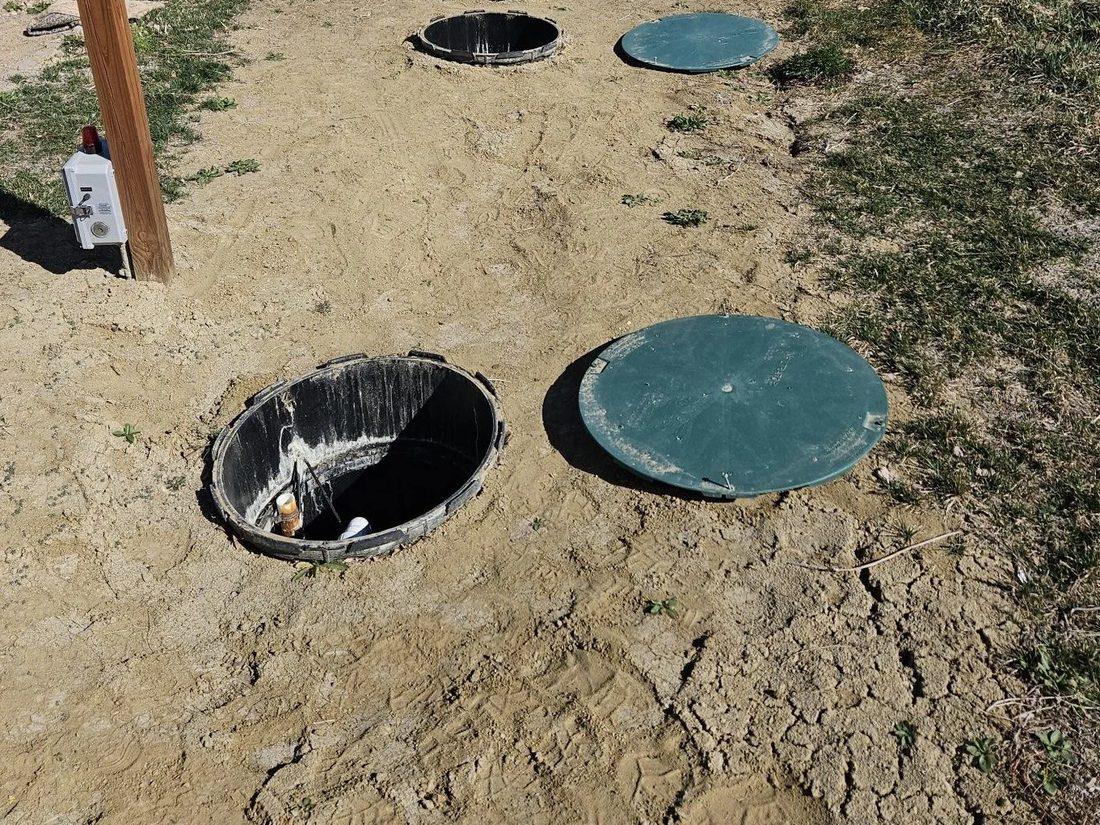
    Most properties have a second or third lid that might have been overlooked during routine maintenance. We probe until the tank, the second compartment, any pump chamber and the distribution box are found. An inspection that skips a lid is a report with a hole in it.

  3. 03

    We Pop the Lids & Run Water From the House

    With all lids open, we run water for about 15–20 minutes from inside the home. This tests the flow of water from the house, into the tank and out to the soil treatment area.

  4. 04

    We Pump the Tanks

    Yes, you heard that right, tanks plural. In a routine pumping, typically the first tank is the only one needing to be pumped. During an inspection, we are typically required to pump all gallons including a dosing tank or pump chamber.

  5. 05

    We Walk & Probe the Soil Treatment Area

    After running water and pumping the tanks, we watch for runback from the field. A healthy field will have minimal to no runback. If present, we will check the observation pipes for water and assess levels.

  6. 06

    We Provide a County Inspection Report

    A verbal “passing inspection” is worth nothing at the closing table. You will receive a copy of the final inspection. In Boulder County, the filing process is a bit cumbersome; therefore, we require that you allow us to file on your behalf for a small administrative fee.

Triggers

When to Book a Septic Inspection

Most inspections get booked because a transaction demands one. That is the obvious trigger, but isn't the only one.

Septic tank lids opened across a residential yard before a property sale

Deadline attached

Selling a Property

Boulder County requires a certified and licensed inspector to complete an inspection to receive a Transfer of Title. This must be done prior to the sale of the home, usually within the inspection timeframe laid out in your contract. Sellers are responsible for payment and filing. Booking early helps ensure room to fix whatever may turn up during the inspection.
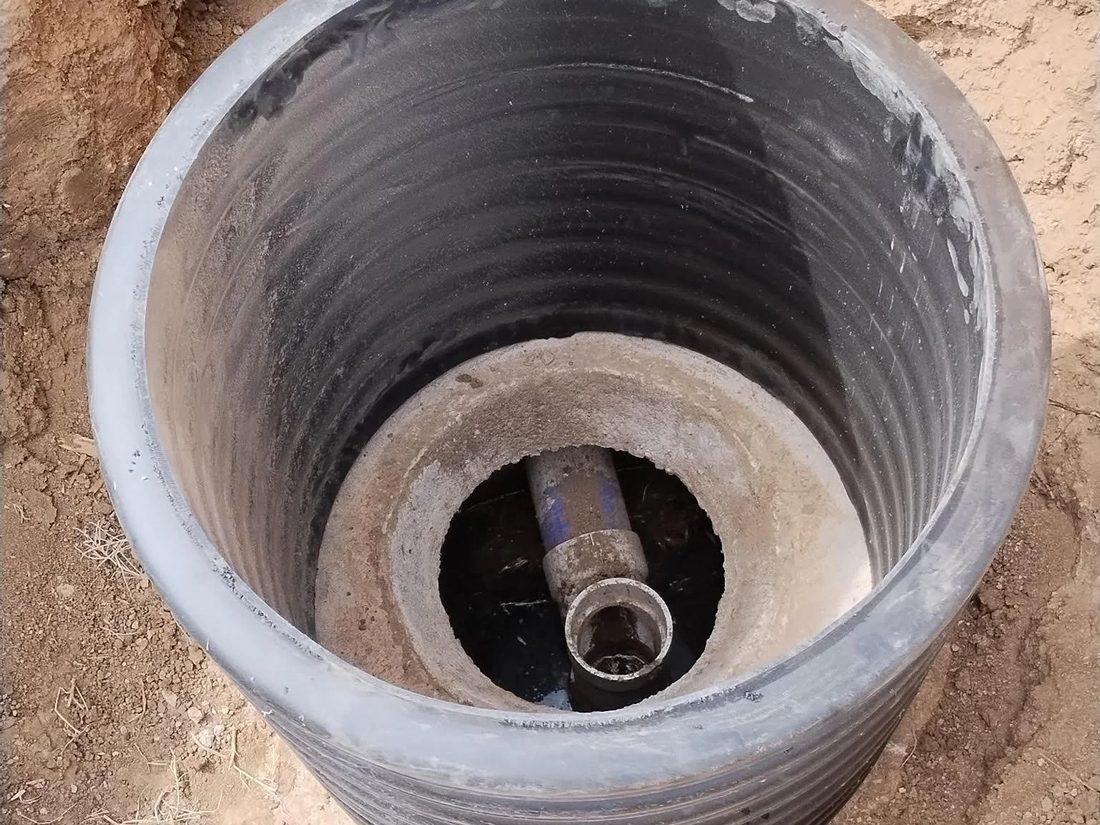
Newly installed concrete septic riser set into the ground

Before you design

Adding a Bedroom, Bath or ADU

A septic system is designed for a certain number of bedrooms. Adding to the property may mean the approved capacity no longer is adequate. An inspection allows the county to know what is being proposed and if the septic system needs to be expanded.

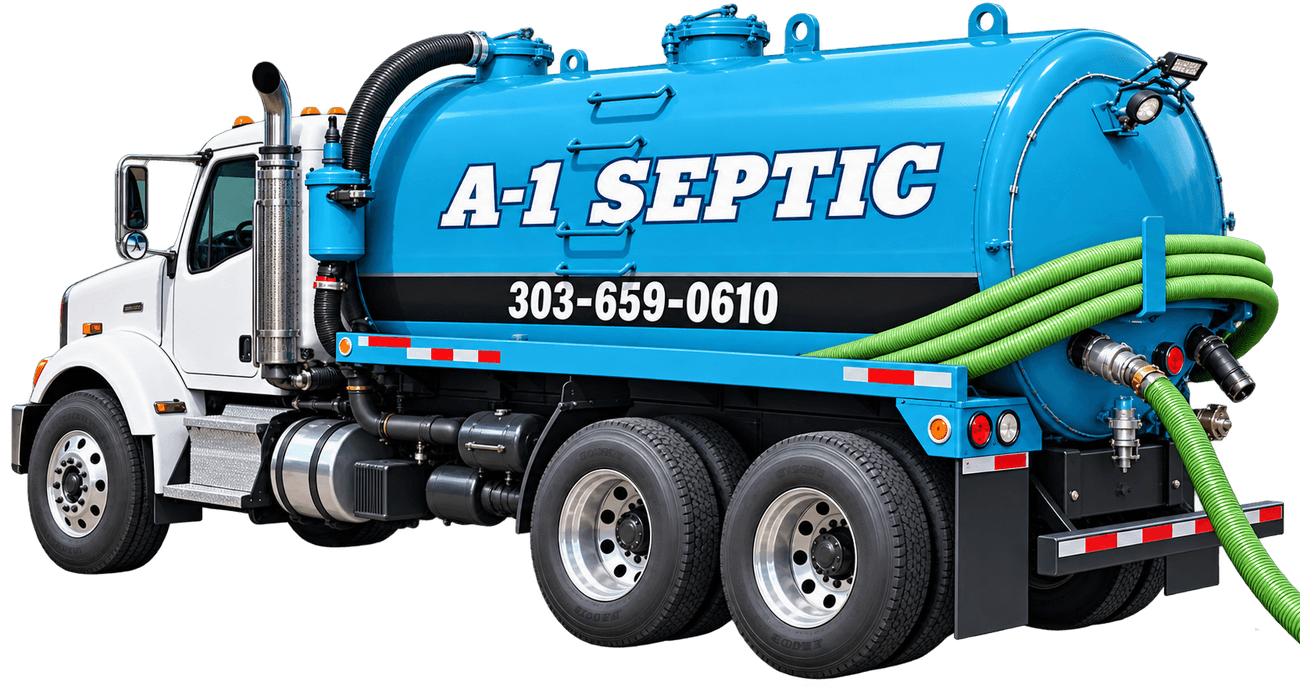
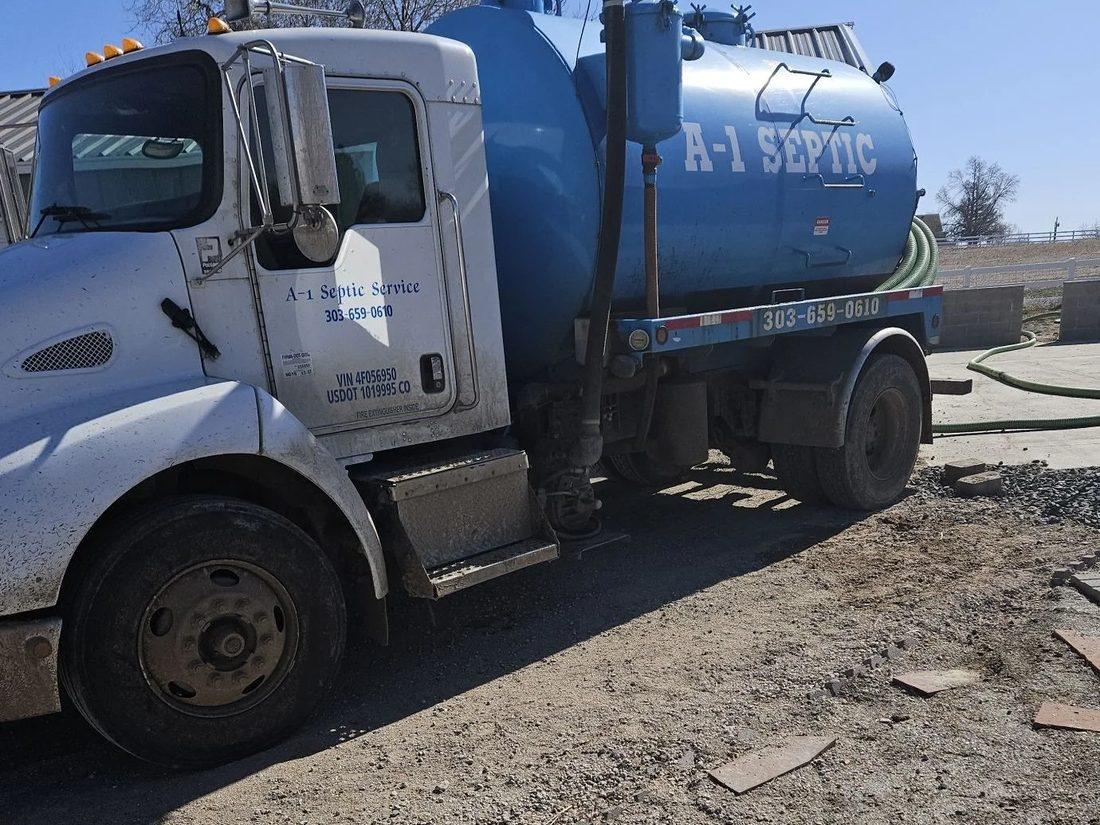
A-1 Septic Service pump truck on a routine maintenance visit

Check your HOA

HOA or County Requirement

Some homeowners associations require inspections at a set time. Check with your community to determine when and if any inspector can perform the service. Additionally, if your property is special, the county will contact you with your specific requirements. Otherwise, regular pumping every 3–4 years will do.

Common questions

Septic Inspection FAQs

Buyers, sellers, agents and owners ask different versions of the same handful of questions. The answers to these questions are general because the detail changes with your situation, system and County.

More Boulder County septic FAQs

What is the difference between a visual inspection and a full inspection?

A visual inspection is what we do when we are there for routine pumping — looking at the tank health from the lid, watching for runback from the soil treatment area while pumping. A certified inspection opens all lids, examines the inside of the tank for cracks, runs water, and probes the soil treatment area.

Does the tank have to be pumped for the inspection?

Typically yes, because the walls, floor and baffles cannot be judged through a full tank. In some scenarios, if the tank was pumped within the last year and the scum levels are low, we can get away without pumping but we do have to mention that full tank health could not be inspected on the report.

Who pays for a septic inspection when buying a house?

In Boulder County, the inspection requirement sits with the seller, so the seller typically pays. Buyers can choose to commission their own inspections if they choose. What is not negotiable is that somebody produces the Transfer of Title prior to closing.

What makes a septic system fail an inspection?

Tank degradation when opening the lids is the clearest sign of a failing tank. Effluent surfacing over the soil treatment area or in the observation pipes, a cracked, leaking or root-infested tank, a missing outlet baffle or a soil treatment area only taking water to one chamber are other telltale signs of failure.

Where does the inspection paperwork go once complete?

You will receive a copy of the final inspection. However, in Boulder County, the inspection and a Use Permit have to be filed with the county to receive your Transfer of Title. There is a filing fee. The process is a bit cumbersome, so we require that you allow us to file on your behalf for a small administrative fee.

How long is the inspection valid for?

Once filed, inspections in Boulder County are good for 12 months. If your home doesn't sell within the 12 months, the inspection will have to be performed again and the paperwork will have to be refiled with the county.

What happens after my inspection fails?

If your inspection fails, whatever failed needs to be repaired / replaced to meet current County standards. It is the seller's responsibility to pay for the repairs / replacements. Depending on the repairs needed, we might be able to get them done prior to your closing. If not, there is usually more county paperwork that would need to be submitted and money can be put in escrow for the buyers to arrange the repairs after closing.

Book an inspection

Book Your Septic Inspection

A-1 Septic Service has been family-owned and operated, proudly serving Colorado since 1976. Tell us the address, whether a sale or an addition is driving it, and which county you are in. We will tell you what is required in Boulder County before booking.